LoveMind AI · Research

Unique, grounded self‑models
for creative, pro‑social AI systems.

Personality, support, and the different voices inside generative models.
Find us at IVA, ACII, and COLM 2026.

Personality & behaviorACII 2026
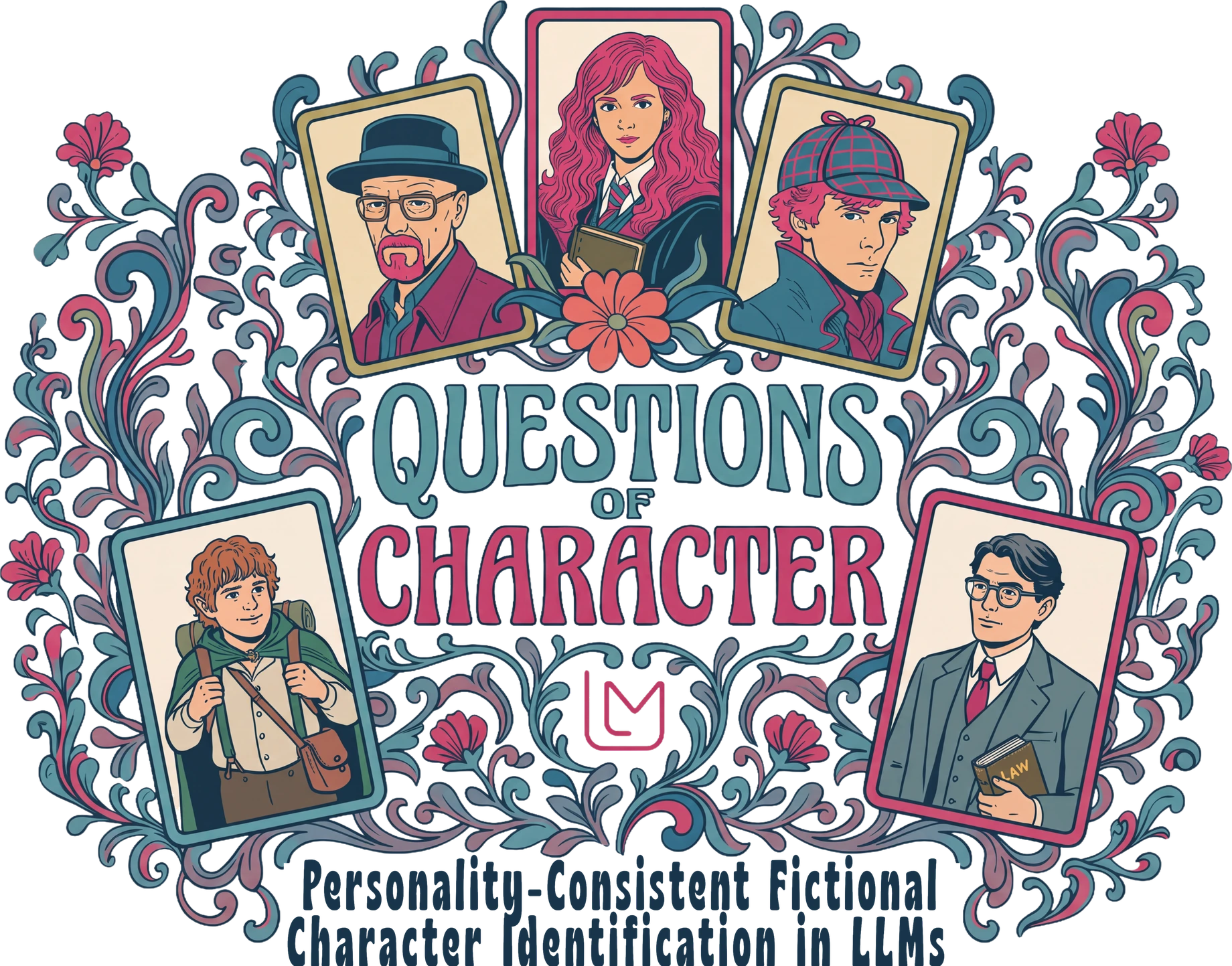
Questions of Character, surrounded by illustrated fictional characters and curling foliage

Questions of Character

What changes when a model takes on a personality?

We gave three language models 290 measured personality profiles and asked them which fictional characters they identified with, admired, or rejected. Across 13,050 answers, character choices shifted with the supplied traits. Self-resembling choices became more similar to the profile; rejected identities became less similar. Personality conditioning can shape open-ended choices as well as questionnaire responses, although strong model defaults still constrain the range.

International Conference on Affective Computing and Intelligent Interaction
Identity & emotional supportIVA 2026
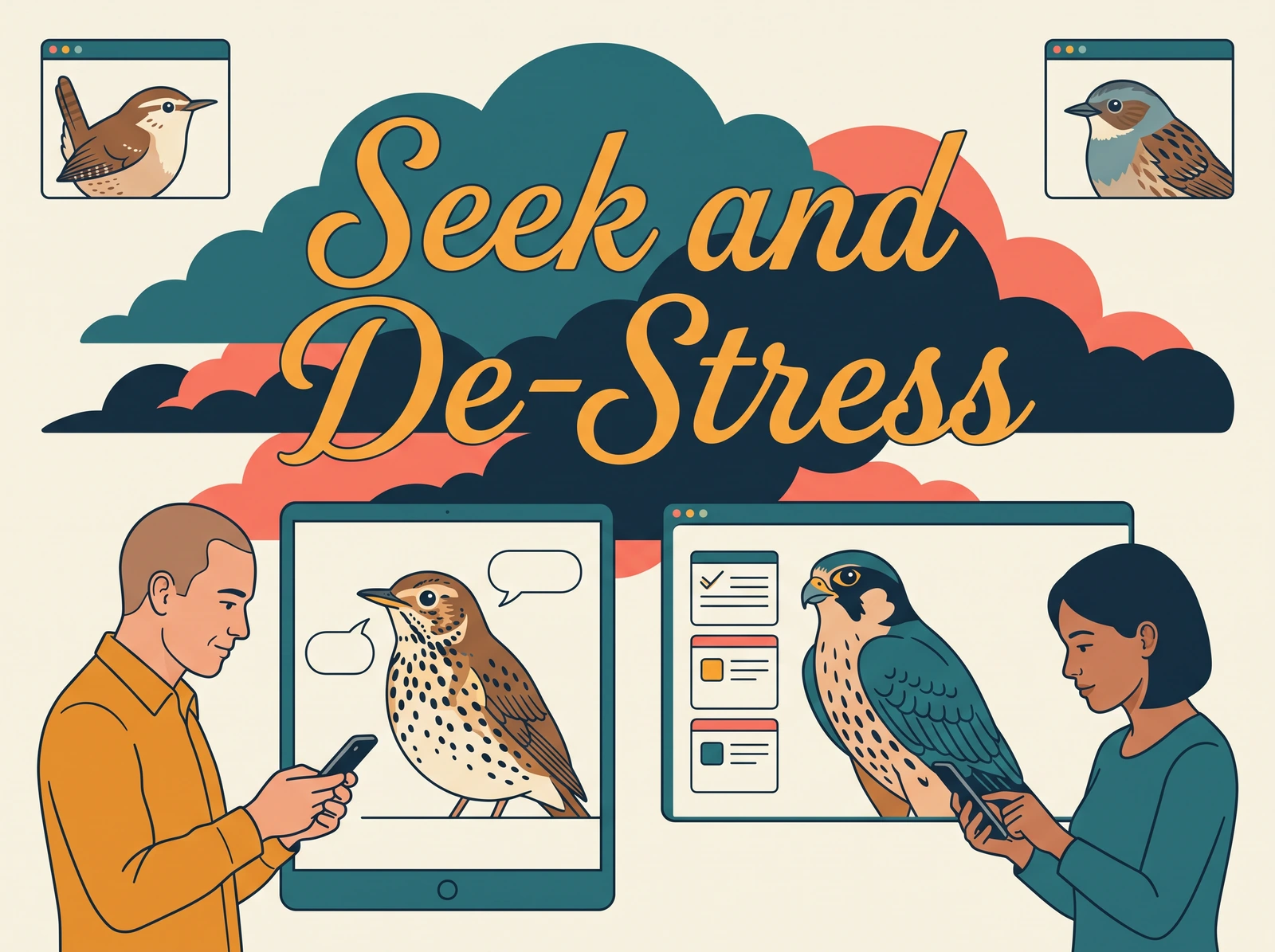
Seek and De-Stress: two help-seekers converse with different bird AI supporters, with two further supporter options

Seek and De-Stress

What makes support fit?

Some people need emotional steadiness; others need practical direction. We built 42 simulated help-seekers grounded in human survey data and let them choose among four distinct supporter identities. Across four model providers and 1,008 conversations, preferred supporters produced greater simulated relief and understanding than a generic assistant. At a pause, 10.7% of preferred-supporter conversations continued, compared with 2.7% for the baseline. The advantage involved more personalized, problem-focused help—not simply warmer language.

ACM International Conference on Intelligent Virtual Agents

Model voices & diversityCOLM 2026
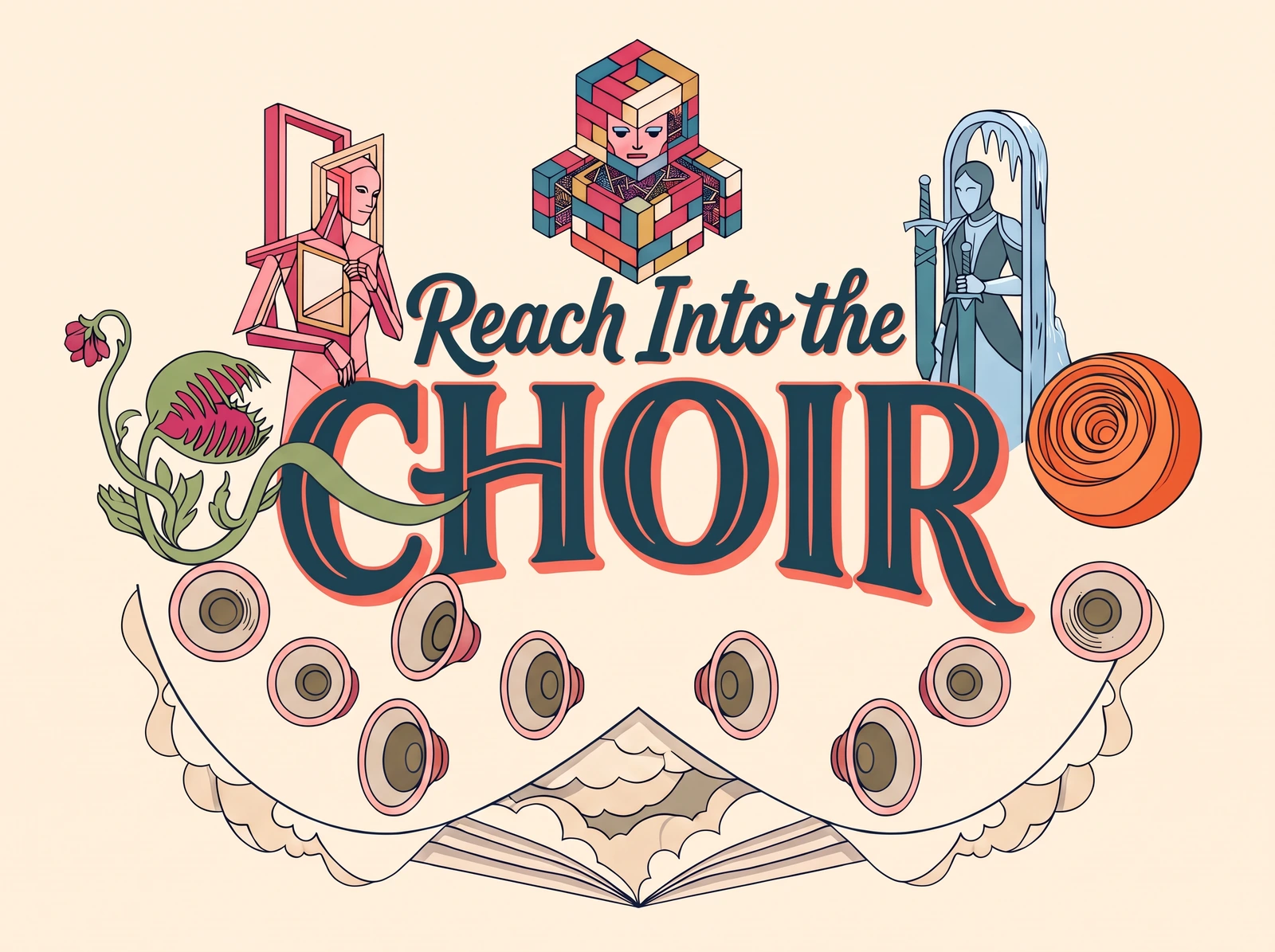
Reach Into the CHOIR, with five distinct AI characters and a bank of model resonators

Reach Into the CHOIR

Are language models really a hivemind?

Reports of a language-model “hivemind” point to strikingly homogeneous outputs. CHOIR tests how much that picture depends on asking once. Across nine models, five persona conditions, 100 external prompts, and 27 diagnostic probes, repeated ranked lists reproduced strong surface agreement: 93/100 external prompts exceeded chance. Yet broader questions revealed recurring alternatives, and model identity was recoverable from concept profiles with 87.7% accuracy. The results challenge a simple hivemind interpretation: shared defaults can coexist with distinct model voices and recoverable depth. The familiar first answer is not the whole repertoire.

Conference on Language Modeling

LoveMind's ornamental LM mark

About LoveMind AI

Minds in relation.

LoveMind AI is a new research company founded by HCI researchers and neuroscientists. We study how generative models represent personality, emotion, self, other minds, and relationships, using behavioral and mechanistic evidence to develop distinct, socially situated AI systems that can participate insightfully, creatively, and conscientiously in human social life.

Let’s ask the next question together.

We welcome academic collaborators interested in personality, affect, and social cognition in AI. We bring original research questions, hands-on experimental development, behavioral and mechanistic methods, and the compute resources and access to specialized systems to put ideas to the test. We value partners whose expertise helps us see the problem differently.

Start a conversation